

FRP in Wastewater Plants: A Process-by-Process Map from Screen Room to Dewatering
A wastewater treatment plant is a complete process line: inlet screens, grit chambers, biological aeration tanks, chemical dosing and dewatering rooms. At every stage, metal parts fail early in a wet, chemical-loaded atmosphere. FRP runs through the entire line as one corrosion-free, low-maintenance material family, not a patch for a single spot.
FRP is made of glass fibers and resin through the pultrusion process. FRP profiles resist acids, alkalis and salt spray, do not conduct electricity and weigh little. Fiberglass is about one quarter the density of steel and can be sand-coated for slip resistance. Pultruded FRP profiles have become a common steel replacement in municipal projects.
The pre-treatment stage meets sand-laden influent first. Pump rooms and screen channels stay wet, and steel grating wears and corrodes quickly. FRP grating and fiberglass maintenance platforms carry the walkways, supports and handrails in the pre-treatment stage. Grit chamber bridge treads are increasingly made of fiberglass too. FRP grating stays non-slip under heavy traffic.
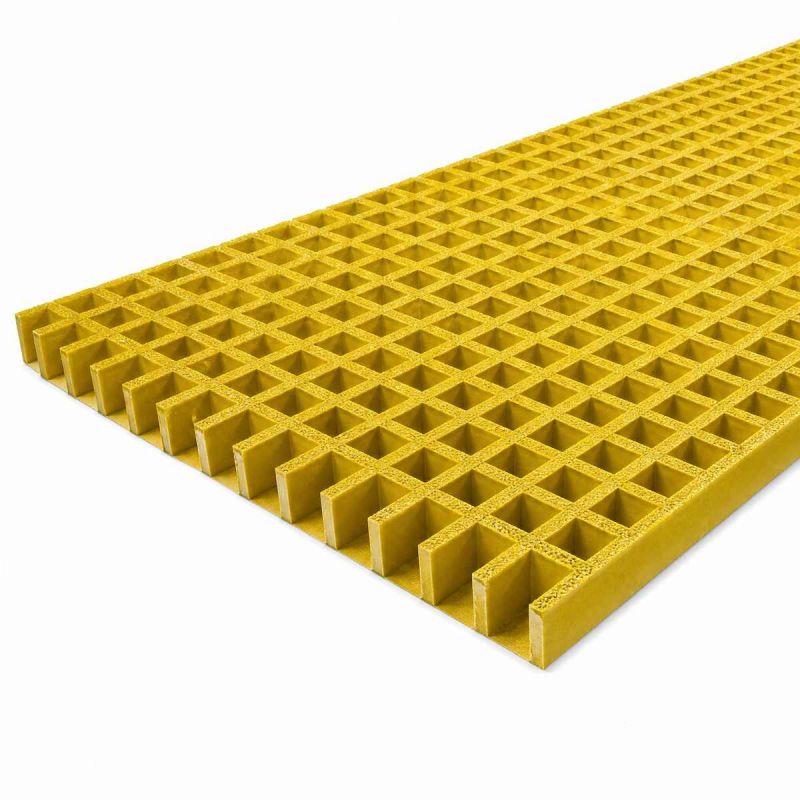
The biological stage is where FRP is used most densely. Aeration tank covers must hold odours inside while enduring humidity and UV for decades,. FRP profiles with UV-stable resin are a proven answer. In anaerobic and anoxic zones, where hydrogen sulfide is high, fiberglass handrails and walkways last far longer than painted steel. MBBR support beams are also pultruded in FRP in several projects.
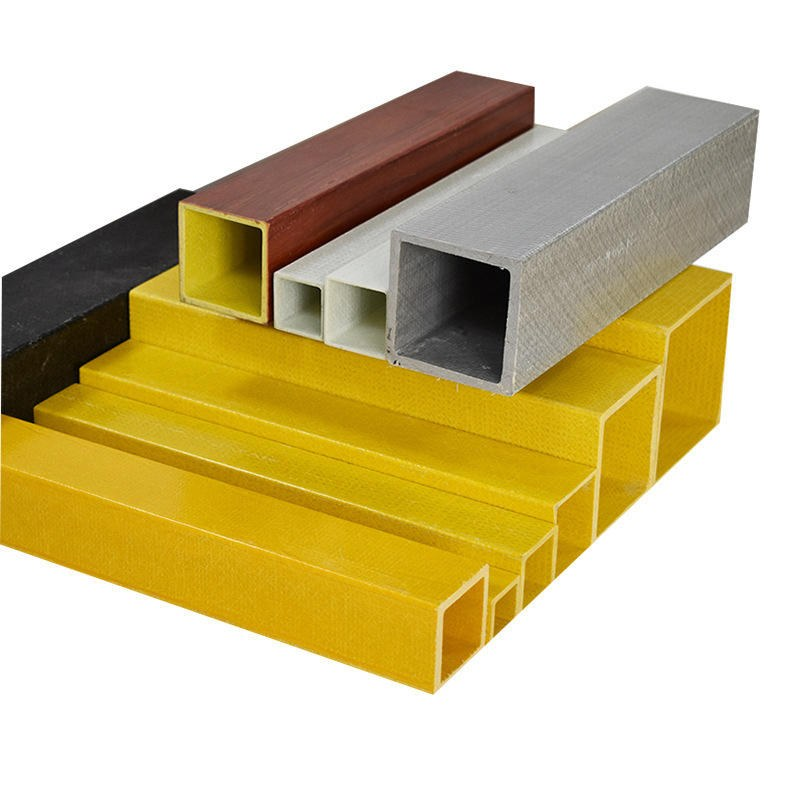
The advanced treatment stage tests chemical resistance. Dosing rooms handle PAC, PAM and sodium hypochlorite. FRP platforms, brackets and fencing stand up to the chemicals without peeling paint. UV disinfection channel covers and rails need UV resistance plus light weight — two properties fiberglass profiles deliver.
The sludge stage stays wet with filtrate. Dewatering room floors are slippery, so FRP grating walkways stay slip-resistant and durable. Filter press platforms and sludge bunker guards use fiberglass as well. Ventilation supports in laboratories and dosing rooms are another common FRP installation point.
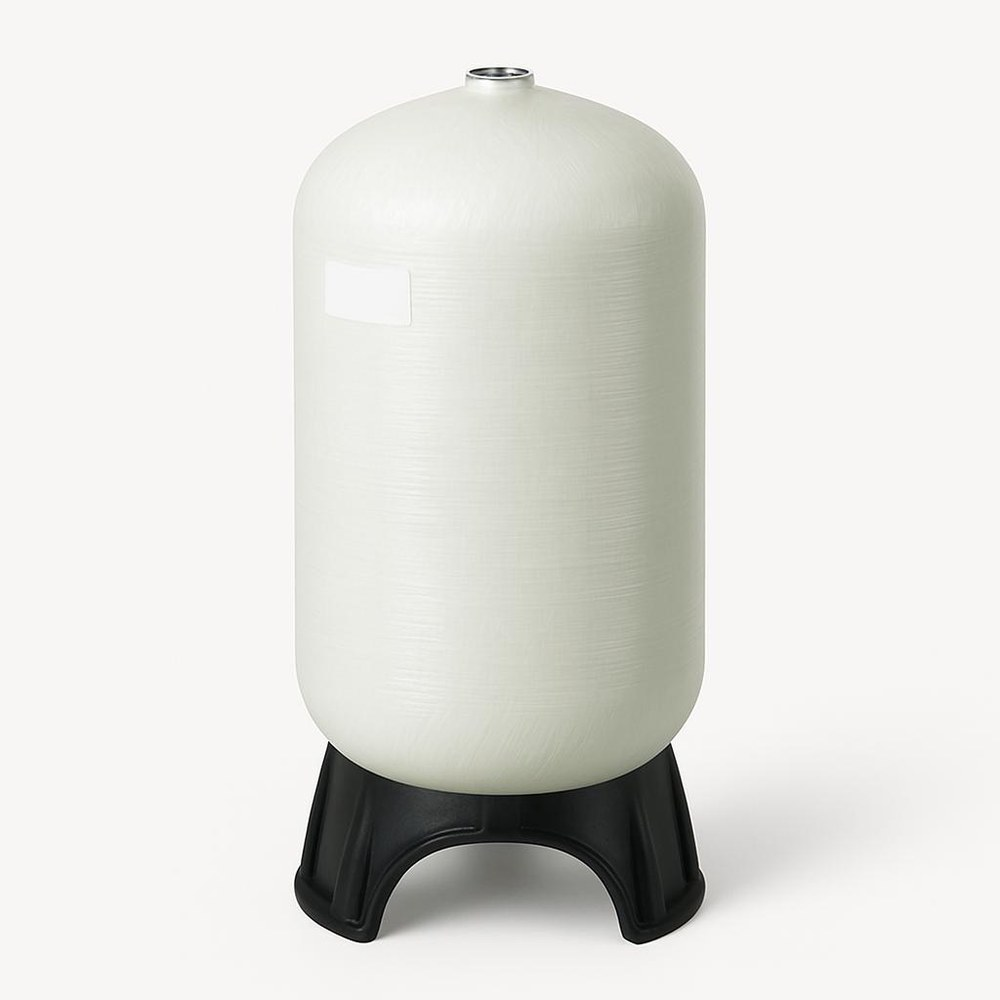
Stage by stage, FRP covers nearly every corrosion place in a wastewater plant from inlet to outlet: fiberglass grating and maintenance platforms in pump rooms and screen channels, FRP profile covers above aeration tanks, fiberglass brackets and fencing in dosing rooms, and FRP grating walkways on dewatering floors.
With FRP application points marked on drawings at the design stage, pultruded profiles are assembled on site with less welding, and the installed parts need almost no maintenance. Fiberglass thus delivers value across the whole wastewater process line.