

News
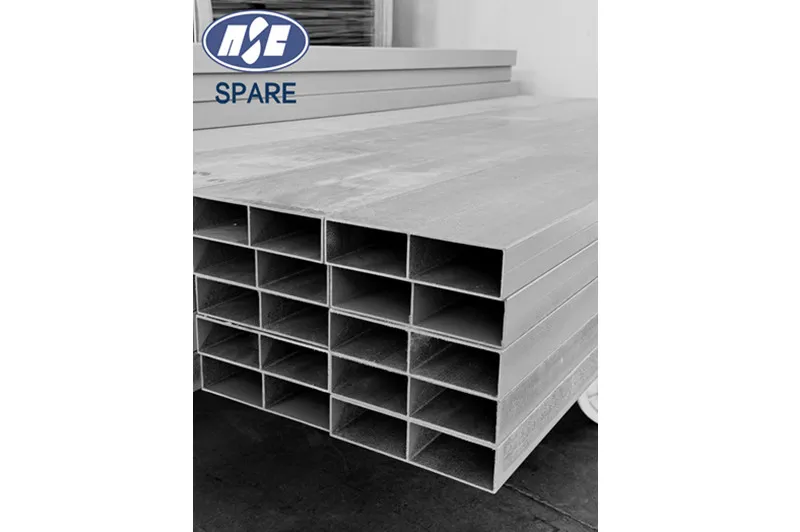
SPARE Composite Introduces Innovative FRP Structural Composite Retaining Wall System
SPARE Composite is pleased to introduce its latest breakthrough in retaining wall solutions: the GRP Structural Composite Retaining Wall System. This cutting-edge system is designed to simplify the construction of retaining walls, making them more cost-effective, environmentally friendly and aesthet......
Read More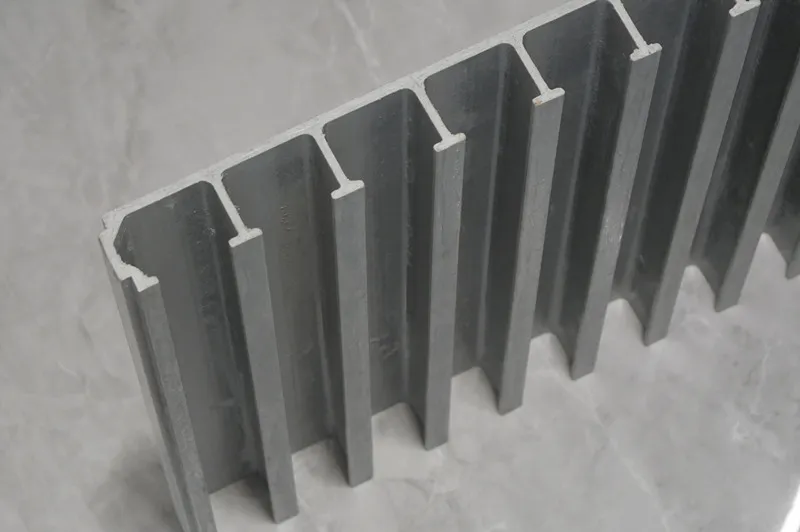
Study Reveals: FRP Decking Outperforms Modern Wood for Coastal and Outdoor Applications
A recent study by the U.S. Forest Service has shed light on the declining quality of modern wood products, particularly for use in demanding outdoor environments such as coastal boardwalks and seaside promenades. The research found that wood harvested today is less dense and less durable due to acce......
Read More
Innovative Antimicrobial Technology Enhances FRP Products for Modern Applications
In a groundbreaking move for the FRP industry, new advancements now incorporate cutting-edge antimicrobial technology into a range of fiberglass-reinforced plastic (FRP) products. This innovative feature is designed to inhibit the growth of harmful bacteria on the surface of FRP materials, addressin......
Read More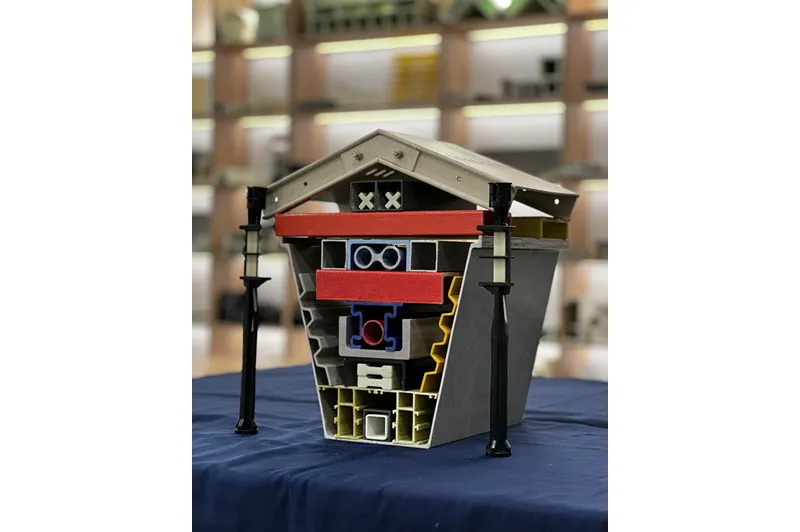
The Growing Use of FRP Pultruded Profiles in the Construction Industry
In recent years, the application of Fiber Reinforced Polymer (FRP) pultruded profiles has seen a significant rise in the construction industry, driven by the need for materials that offer superior strength, durability, and versatility. As the construction sector continues to evolve, architects and e......
Read More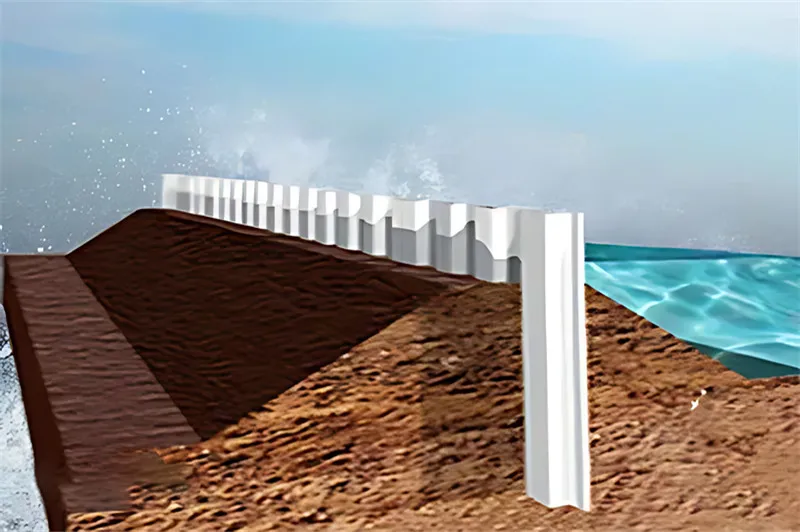

New FRP Blades Slash Wind Energy Costs and Boost Efficiency
In a major development for renewable energy, the latest FRP (Fiber-Reinforced Polymer) blades are set to transform wind turbine technology. Developed through extensive research and engineering, these blades offer tangible benefits that address long-standing challenges in the wind energy sector.
Read More