

Five Reasons to Choose FRP Railings
With the escalating requirements for safety protection and environmental performance in modern architecture, FRP (Fiberglass Reinforced Plastic) guardrails have stood out with multiple advantages, becoming the preferred solution for various engineering projects.
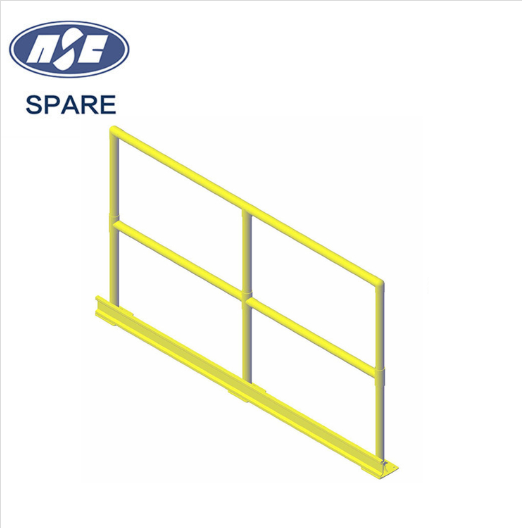
The core competitiveness of FRP guardrails lies in five key aspects: Firstly, outstanding corrosion resistance. Made of glass fiber and resin composite material, they can seamlessly withstand coastal salt spray, industrial chemical corrosion and humid environments, solving the long-standing problem of rust and deformation of traditional guardrails. Secondly, strong safety protection. Boasting high material strength and excellent impact resistance, they can effectively resist external impacts, ensuring the safety of roads, bridges, parks and other scenarios. Thirdly, efficient installation and maintenance. Being much lighter than traditional steel guardrails, they save time and labor during construction; no special daily maintenance is required, significantly reducing long-term operating costs. Fourthly, environmental friendliness compliance. The production process generates little pollution, and the material is recyclable and reusable, aligning with the development trend of green buildings. Fifthly, excellent aesthetic adaptability. Supporting customization of various shapes and colors, they can naturally integrate with various architectural environments, enhancing the overall visual texture.
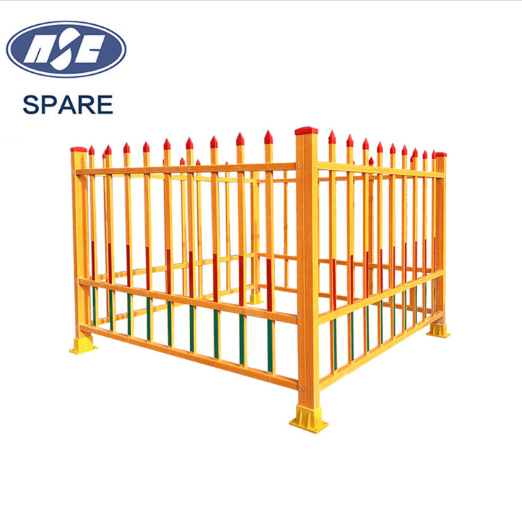
Combining safety, durability, environmental friendliness and convenience, FRP guardrails have been widely applied in municipal engineering, industrial parks, residential communities and other scenarios. Against the backdrop of continuously upgrading market demand, relying on their comprehensive performance advantages, they are gradually replacing traditional guardrails and becoming the mainstream choice in the field of building protection.