

Does Your Single Adjustable Front Fork Offer External or Internal Travel Adjustment?
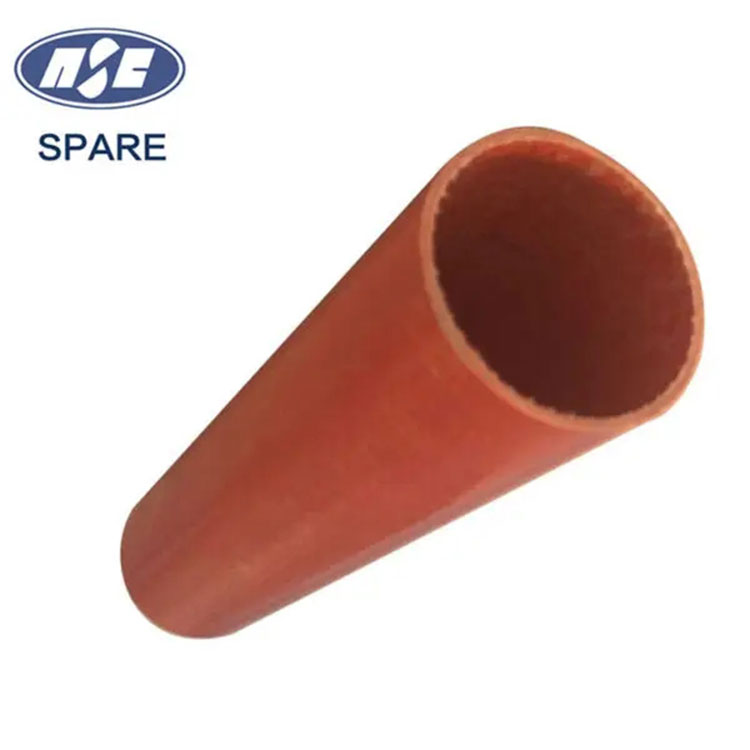
Nanjing Spare's Fiberglass Round Tube has become a trusted choice across multiple industries, from marine engineering to electrical installations, thanks to its lightweight structure, high strength, and resistance to corrosion. In today's industrial landscape, ensuring that materials meet rigorous safety and performance standards is more critical than ever.
Why Agency Approvals Matter
When specifying materials for demanding applications such as marine platforms, offshore structures, or electrical insulation systems, compliance with recognized agency standards is crucial. The Round Tube provides a unique combination of mechanical strength and chemical resistance, but without proper certifications, its use in high-stakes environments can be limited. Approvals from agencies such as UL (Underwriters Laboratories), ABS (American Bureau of Shipping), and IEC (International Electrotechnical Commission) not only verify quality but also ensure long-term reliability.
For marine applications, a Fiberglass Round Tube must withstand prolonged exposure to saltwater, UV radiation, and mechanical stress. In electrical applications, it needs to maintain insulating properties under varying temperatures and voltage loads. These factors underscore why agency certifications are not mere formalities—they are indicators of material reliability under real-world conditions.
Key Properties
The broad adoption of Round Tube is largely due to its versatile properties. The table below highlights typical specifications and dimensions that make these tubes suitable for multiple industrial applications:
| Serial No. | Outer Diameter (mm) | Wall Thickness (mm) | Product Code |
| 1 | 244.475 | 3.24 | G-0715 |
| 5 | 155 | 6 | G-0505 |
| 12 | 98 | 6 | G-0500 |
| 25 | 51.6 | 2.55 | TX-0199 |
| 40 | 38 | 5 | G-0120 |
| 55 | 32 | 2.5 | G-0118 |
| 70 | 25 | 2.5 | G-0354-2.5 |
| 85 | 12.5 | 1.75 | G-0226 |
These specifications show how it can adapt to different load-bearing requirements, chemical exposure levels, and installation needs, making it a versatile material for engineers and designers.
Marine Applications: Durability Under Pressure
Saltwater environments are notoriously harsh. Metals can corrode quickly, and even conventional composites may degrade over time. In contrast, fiberglass-based materials are inherently corrosion-resistant, which significantly reduces maintenance cycles and improves longevity. Additionally, the lightweight nature of it lowers overall structural weight, which is particularly important for offshore platforms, docks, and floating structures.
Corrosion Resistance Table
| Environment | Material Effect | Fiberglass Advantage |
| Saltwater | Rust, pitting | Stable, no rust formation |
| Chemicals | Metal erosion | Resistant to acids and alkalis |
| UV Exposure | Surface cracking | UV-stabilized resin resists fading |
These characteristics make it a reliable option for marine engineers seeking materials that maintain structural integrity and performance over extended service periods.
Electrical Applications: Safe and Stable Insulation
In electrical engineering, insulation materials must prevent current leakage and withstand thermal and mechanical stress. It offers high dielectric strength and thermal stability, ensuring safety in electrical conduits, transformer supports, and cable trays. Its lightweight yet strong profile also simplifies installation in complex setups where space and weight are constraints.
Electrical Properties Comparison
| Property | Typical Fiberglass Round Tube | Standard Plastic Tube |
| Dielectric Strength | 25–40 kV/mm | 15–20 kV/mm |
| Thermal Resistance | 150–200°C | 90–120°C |
| Mechanical Strength | High | Moderate |
| Corrosion Resistance | Excellent | Poor in chemicals |
Engineers and technical managers often choose fiberglass over conventional plastics and metals because it combines insulation, mechanical strength, and durability in one material, reducing potential maintenance issues and operational risks.
How to Selecte
When planning construction or equipment installations, it is essential to select materials that meet application-specific standards. This ensures that structural and insulation requirements are met without compromising performance or safety.
Some practical considerations when evaluating fiberglass tubes include:
- Outer diameter and wall thickness suitable for load-bearing or conduit use.
- Agency approvals for intended environment (UL, ABS, IEC).
- Resistance to chemicals, UV exposure, and moisture.
- Long-term dimensional stability under mechanical stress.
Looking Forward
With ongoing advancements in composite materials and resin technology, Round Tube continues to expand its application potential across industries. Marine, electrical, chemical, and infrastructure sectors benefit from lightweight, durable, and certified material solutions. Nanjing Spare's focus on high-quality production and R&D ensures that these tubes remain reliable and compliant with evolving industry standards.
In summary, whether it is a marine deck, an offshore platform, or electrical conduits, confirming agency approvals is vital. Fiberglass Round Tube from Nanjing Spare provides both the strength and compliance needed to meet industrial challenges, ensuring safety, durability, and efficiency across applications.